An unofficial fan archive of the records the Shirelles made. No affiliation with the group, their families, their estates or any record label.

The Shirelles

theshirelles.com
An empty theatre stage of about 1960 seen from the front rows, lit from the wings, no performers

The first girl group to have a US number one, and the records that got them there.

Shirley Owens thought the song sounded country and did not want to sing it. Luther Dixon put strings on it, several cities kept it off the air, and in the first week of January 1961 it was the number one record in America — the first by a Black girl group.

Start with the record that changed the count

Four schoolfriends from Passaic, New Jersey — Shirley Owens, Doris Coley, Addie Harris and Beverly Lee — sang first as the Poquellos. Nineteen pages here follow the records, the label Florence Greenberg built around them, and the arithmetic underneath.

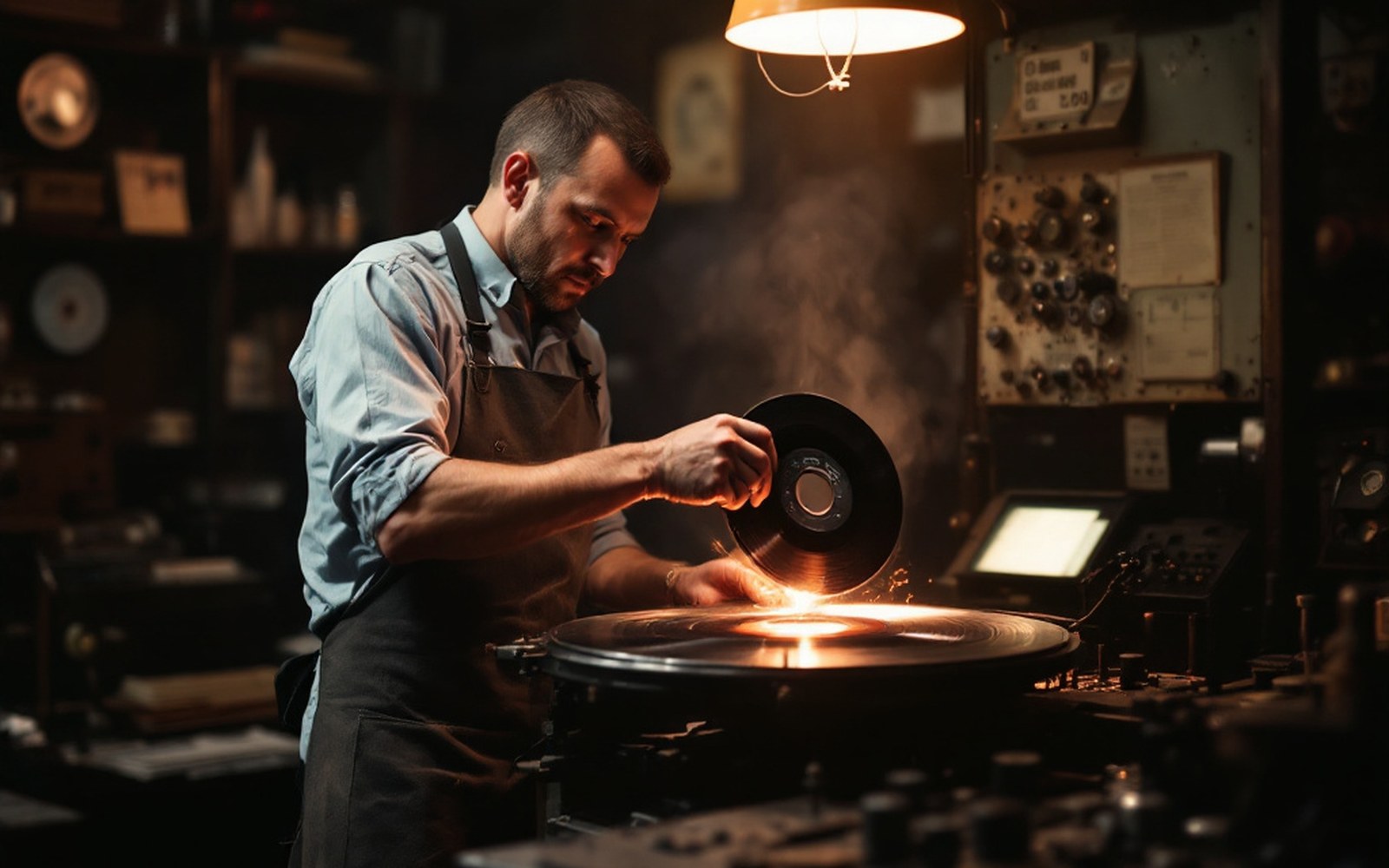
A record pressing plant of about 1960, an adult press operator in an apron lifting a hot 45 off the die
Where a hit becomes freightA press operator lifting a disc off the die. A number one is an industrial quantity before it is anything else.Generated image
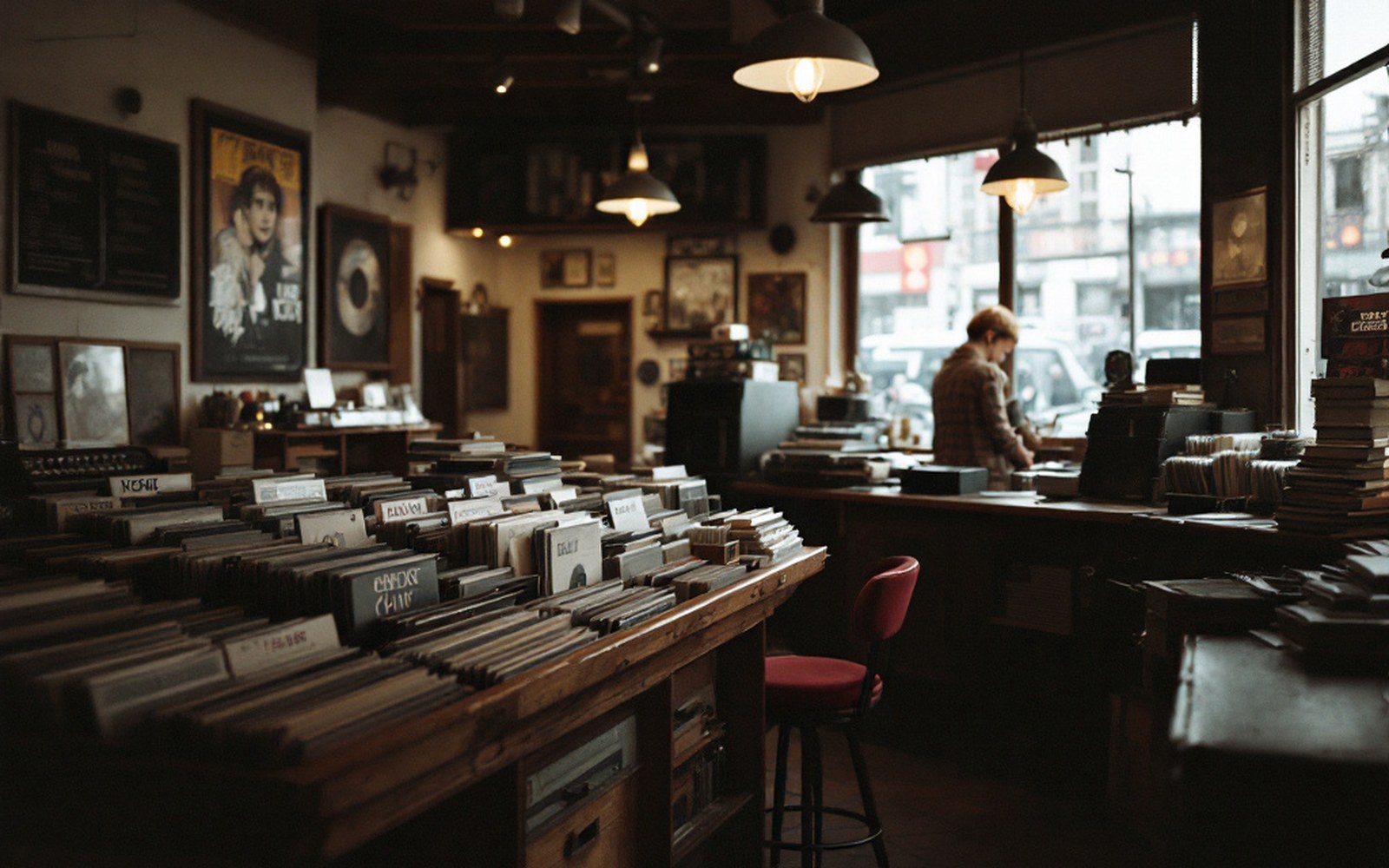
A city record shop of about 1960, a rack of 45s in plain paper sleeves and a listening booth behind
The counter that countedChart position was assembled from shops like this one — what the rack sold, phoned in and tallied.Generated image

Tonight’s bill

Tonight’s bill, in the order the country bought it

The ban

Some programme directors heard a young woman deciding, and left the record off the log.

It sold in the cities that played it and in the cities that did not. Why some stations said no

The signature

A label a housewife built around four schoolfriends

Florence Greenberg ran Tiara out of her own house in Passaic when she signed them. Scepter came afterwards and was built on their records — the arrangers it could afford, the players it kept, and the trust their earnings were held in, which took years of litigation to unpick.

Tiara, Scepter, and the contracts
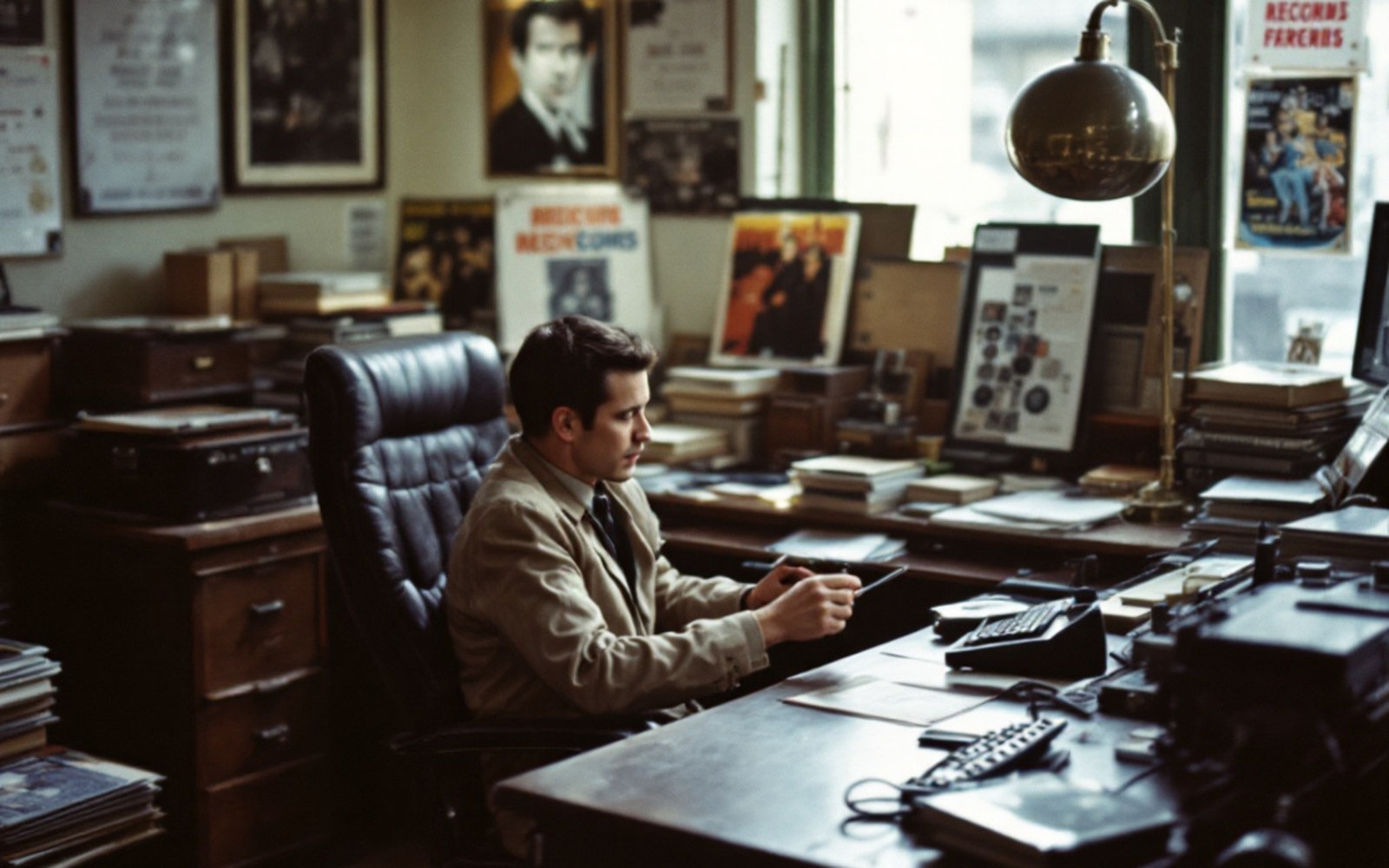
A small office of about 1960 with a desk, a telephone and boxes of records
A desk, a telephone, and the stock in the roomThe whole operation before Scepter had a building: an office where the ledger and the inventory sat within reach of one chair.Generated image