After Scepter
The original quartet broke up, the name kept going, and the catalogue took decades to settle.
Four Voices, Then Fewer
By the time Scepter Records folded in 1976, the Shirelles had long since stopped recording there as a working unit. Doris Coley had left the group in the late 1960s following illness, and Addie Harris and Shirley Owens — who had by then become Shirley Alston Reeves — both departed at various points in the decade that followed. Beverly Lee kept the Shirelles name active, performing under it with rotating line-ups, a practice common enough among groups of that era that it generated its own litigation. The courts eventually determined who held the right to the name, a fight that turned on corporate filings as much as on any musical history.
Addie Harris died in 1982, collapsing on stage during a performance in Atlanta. The three surviving members — Alston Reeves, Lee and Coley — reunited periodically over the years that followed, though never to record new material under their own steam. Doris Coley died in 2000 after a long illness. After that, the Shirelles as a performing entity existed primarily in the name: Beverly Lee, as the member with the clearest legal claim to it, continued to lead touring versions of the group on the oldies circuit.
Scepter's assets, including the Shirelles' master recordings, passed through several hands after the label's collapse.
What Happened to the Recordings
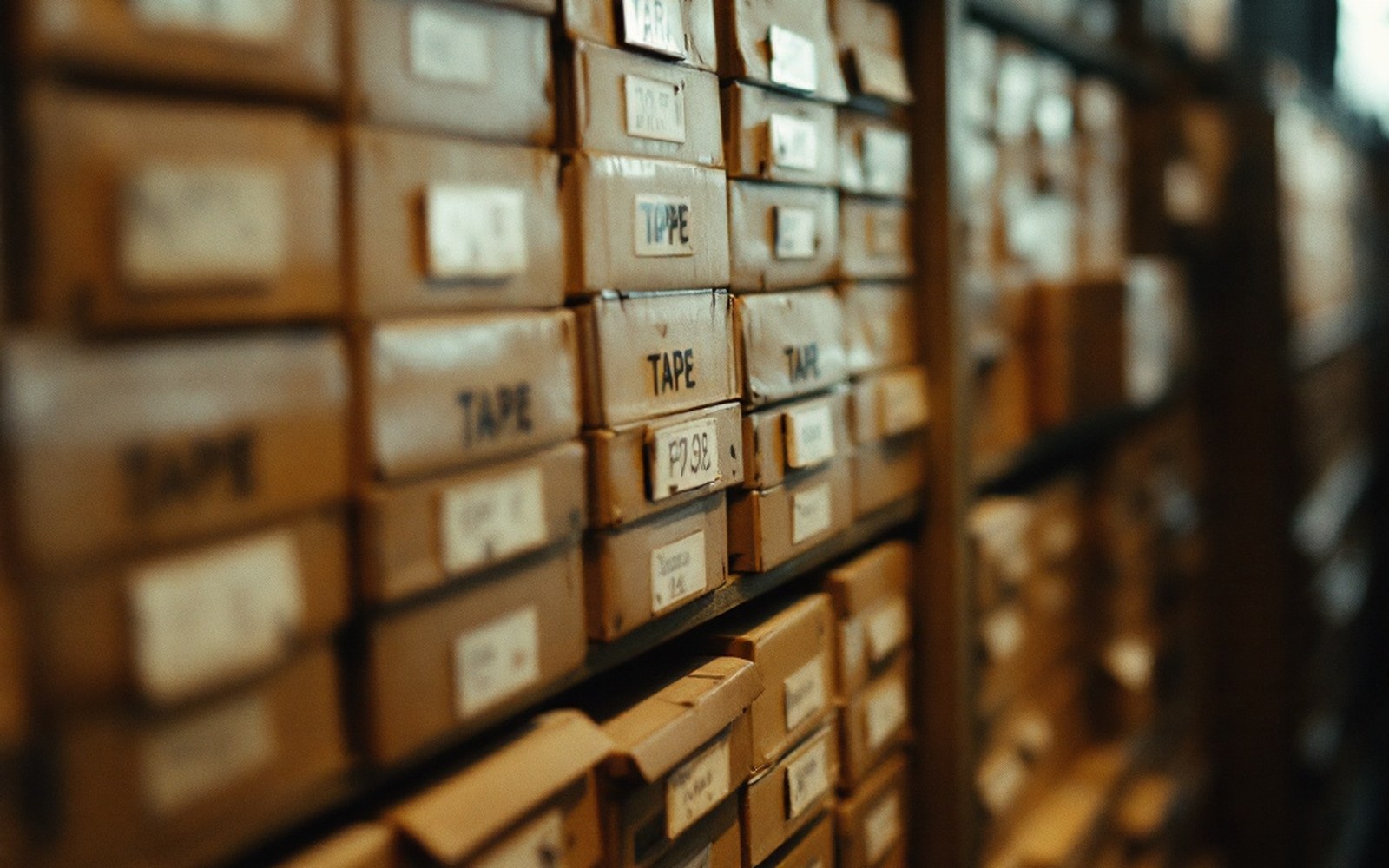
Scepter's assets, including the Shirelles' master recordings, passed through several hands after the label's collapse. Florence Greenberg's operation had never been structured with long-term rights management in mind — the priority had been getting records pressed and onto radio, not building a catalogue for future licensing. The masters wound up with Springboard International ↗ and subsequently with other rights holders as the industry consolidated through the 1980s and 1990s. Rhino Records eventually acquired the catalogue and issued the most durable of the compilation packages that followed, drawing from the original session tapes.
The reissue history is complicated by the number of budget labels that licensed, or claimed to license, tracks from the Scepter years. Cheap pressings appeared throughout the 1970s and 1980s bearing the Shirelles' name with no indication of source or quality. Collectors learned to distinguish these from legitimate reissues by catalogue number and matrix information rather than by anything printed on the sleeve. The underlying session recordings — cut largely at Bell Sound Studios in New York City, with arrangers and session players whose names rarely appeared on the label — were good enough that even degraded pressings retained something of the original presence.
The more meaningful reissue work came later. Rhino's anthology releases ↗ drew on the full Scepter catalogue and restored tracks that had only ever appeared as B-sides or regional pressings, giving the first proper overview of what the group had actually recorded rather than what had charted. By that point the commercial story was largely over, but the documentary one was just becoming coherent.
The Litigation That Defined the Legacy
Separate from the name-rights dispute, the group's earnings from the Scepter years had been held in a trust arrangement that kept the money from reaching the members for years, a situation that is part of the documented record of the Shirelles' litigation ↗ against Scepter and its principals. The settlement terms were never made fully public. What the public record shows is that the group that made Florence Greenberg's label solvent received a fraction of what their recordings generated, and that the legal process of correcting that ran well into the years after the label had ceased to exist.
The Shirelles were inducted into the Rock and Roll Hall of Fame in 1996, an acknowledgement that arrived roughly four decades after four schoolgirls from Passaic, New Jersey, walked into a talent show and changed what pop music was willing to say. By then the catalogue was in better shape than the original contracts had left it, though not entirely whole.