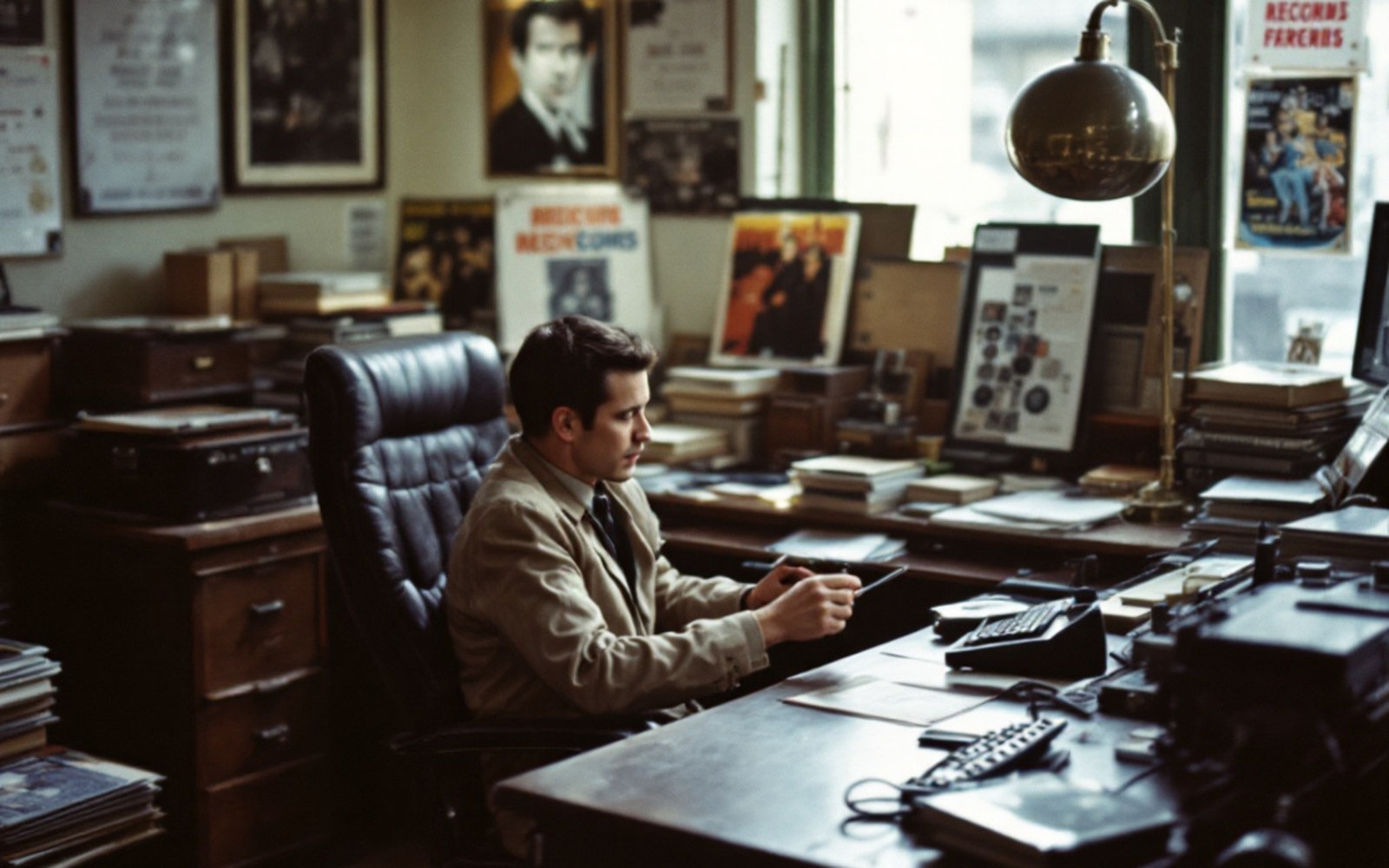
A label a housewife built around four schoolfriends
Passaic, 1957
Four schoolgirls, a talent show, and the audition that turned a hobby into a record deal
The Group Before the Name
Shirley Owens, Doris Coley, Addie Harris, and Beverly Lee were students at Passaic Senior High School in Passaic, New Jersey, when they started singing together in the mid-1950s. They called themselves the Poquellos — a name they appear to have invented rather than borrowed — and the act was, by every account, an informal thing: rehearsals in somebody's living room, harmonies worked out by ear, no instrument among them. What they had was four voices that locked together and a confidence that read, from any distance, as stage presence.
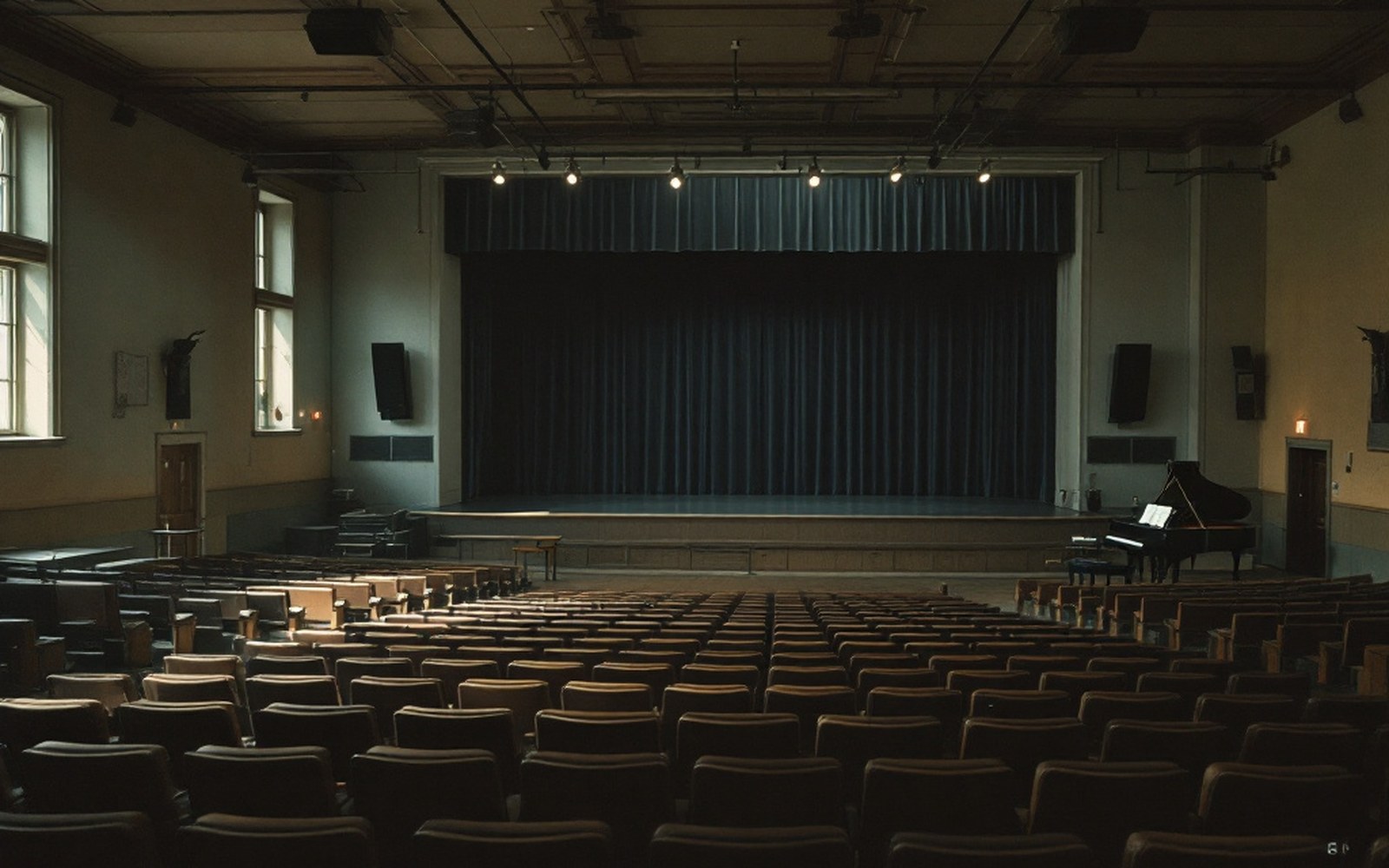
The talent show that changed things was held at the school, probably in 1957. Florence Greenberg's daughter Mary attended Passaic Senior High and knew the group. The family connection was enough: Mary Jane Greenberg brought the group to her mother, Florence Greenberg, who heard them audition and decided she wanted to record them. Greenberg was not a music industry professional at that point — she was a housewife in Passaic running a domestic life — but she heard something commercially real in those four voices and moved quickly on it.
Florence Greenberg's daughter Mary attended Passaic Senior High and knew the group.
Tiara to Scepter
Greenberg had already established Tiara Records, a small independent she operated from her home. It was a minimal operation — no proper offices, no roster to speak of — but it had a name and it could press a record. She signed the Poquellos and changed their name, reportedly choosing "The Shirelles" herself, a feminized coinage built on Shirley Owens's first name with a girl-group suffix that fit the era's naming conventions exactly.
Their first single for Tiara, "I Met Him on a Sunday," was written by the group themselves — a rarity in a system that would later rely almost entirely on outside songs and professional staff writers. The record was a direct product of what they'd been doing in those living-room sessions: a circular, hand-clapping call-and-response built around a simple narrative of a week-long romance. It was unsophisticated in the best possible way, and it sold. Local radio picked it up, the pressing sold out in the region, and Decca Records ↗ licensed it for national distribution, giving the group their first chart entry in 1958.
That sale — or more precisely, what Greenberg did with it — is the pivot on which everything else turns. Rather than stay on Tiara, she took the proceeds from the Decca arrangement and founded Scepter Records, a new label with a New York address and more serious ambitions. Scepter would operate out of the Brill Building ecosystem on Broadway and would eventually bring in Luther Dixon as a producer and the songwriting talent that orbited 1650 Broadway. The Shirelles came with it; they were, in effect, the label's founding asset and its entire rationale in the early years.
What Passaic Produced
It matters that this started in Passaic rather than Manhattan. The Shirelles were not discovered in a recording studio or signed off a demo tape mailed to a publishing house. They were found in their own school, singing their own material, by someone who lived in the same town. That proximity — a neighbor's daughter, a local talent show, a housewife who trusted her own ear — shaped the early character of the group's sound. There was no industry polish on those first recordings because there was no industry involved yet.
Girl groups of the late 1950s and early 1960s ↗ emerged from exactly this kind of local formation: teenagers who sang together for reasons that had nothing to do with commerce, stumbled into a moment of visibility, and were absorbed — sometimes well, often poorly — into a business that was not designed with their interests in mind. The Shirelles were absorbed faster than most, and into a label that at least began as a personal investment by someone who had heard them herself. What the business then did with them is a longer story. But it started in Passaic, in a school auditorium, with four girls who had named themselves after a word they made up.