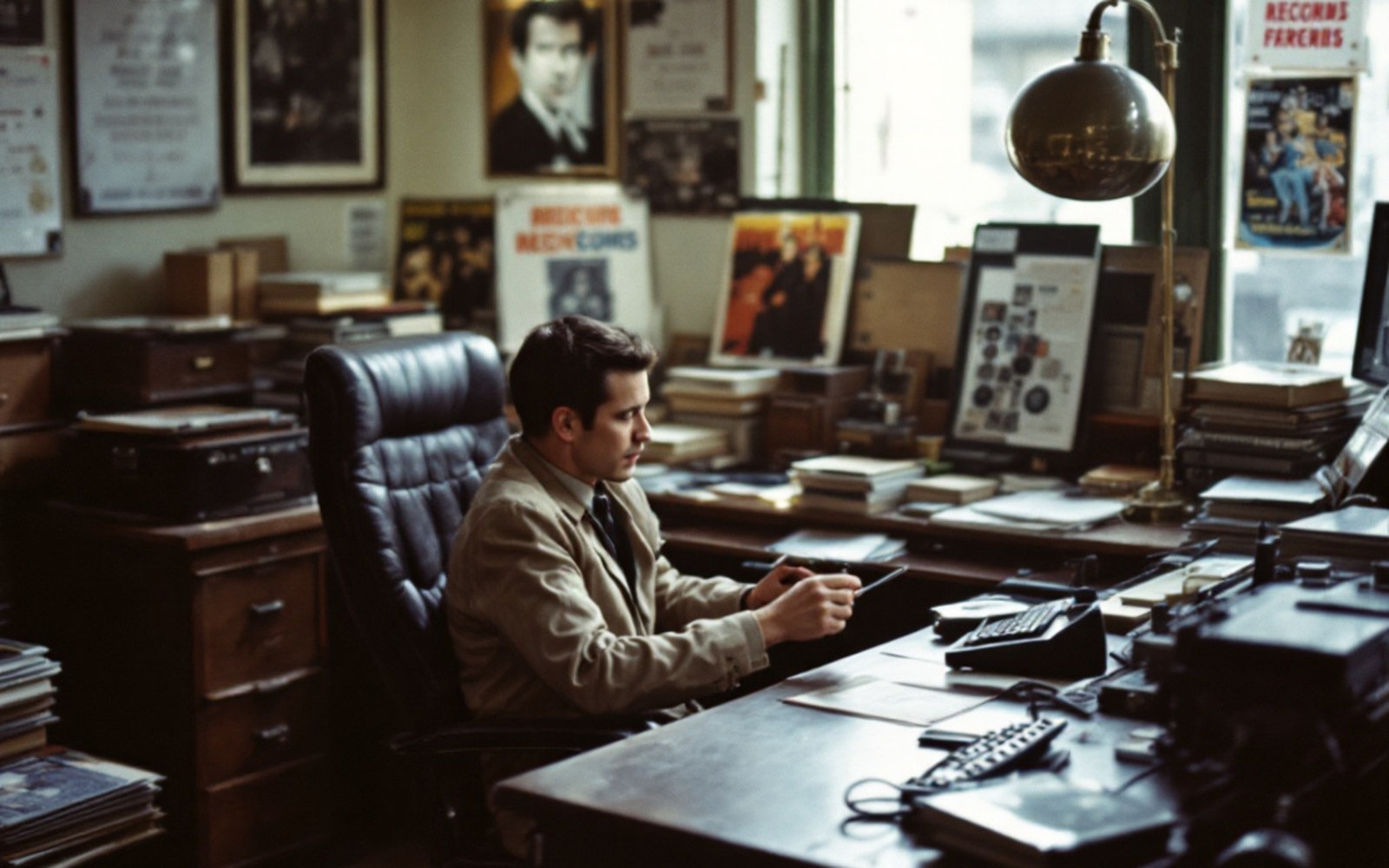
A label a housewife built around four schoolfriends
The rest of the Scepter roster
Florence Greenberg built Scepter around the Shirelles, and the Shirelles' royalties helped finance what grew around them.
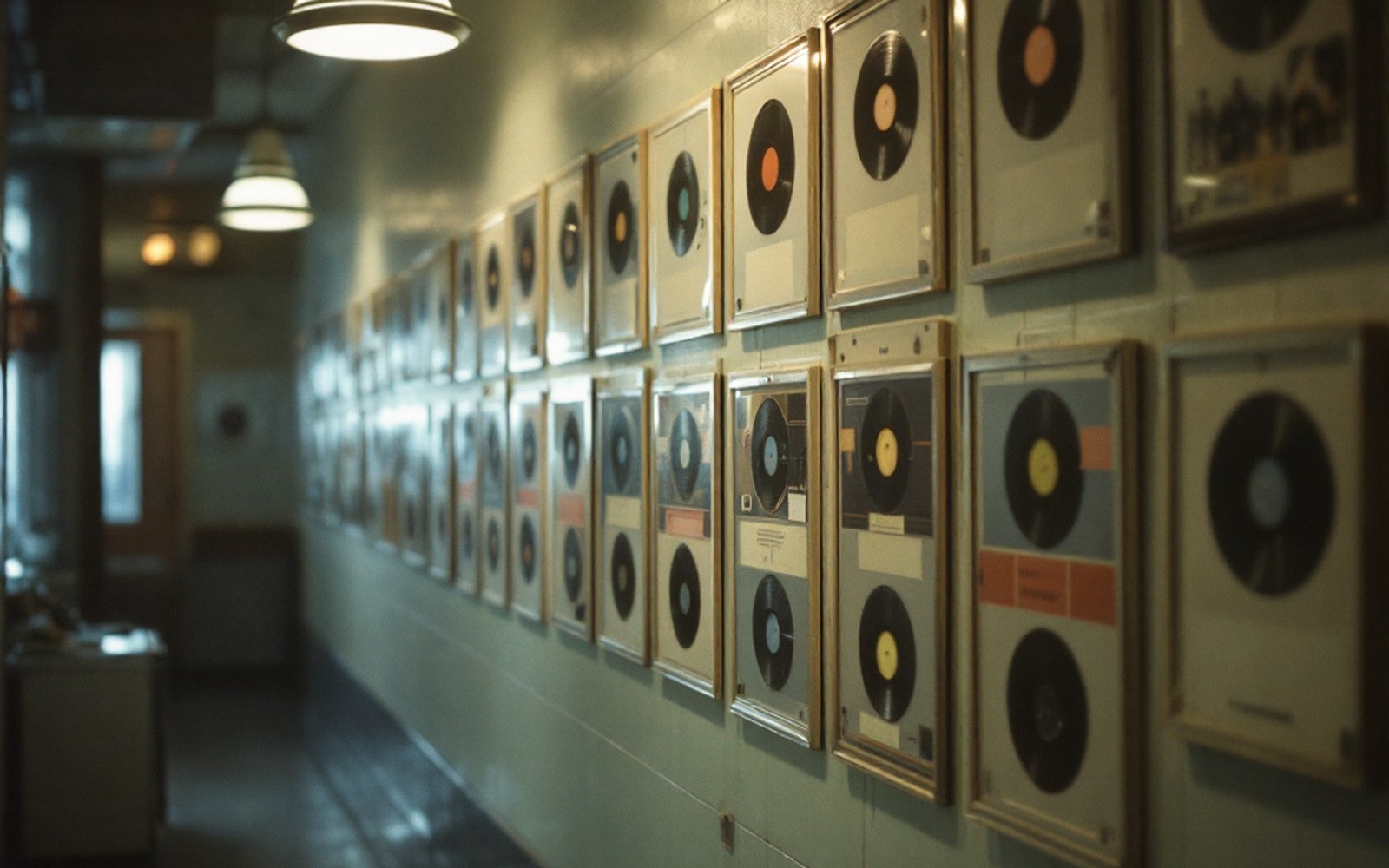
What the money bought
By 1961, Scepter Records — operating out of offices at 1650 Broadway ↗, New York City — was a functioning independent label with distribution, a small staff, and enough cash flow to sign additional acts. The Shirelles had delivered that cash flow. Their earnings, held in arrangements that the group would later contest in court, were in the meantime working capital for a growing roster.
The most commercially significant act Scepter added was Dionne Warwick. Greenberg signed her in 1962, and the partnership with Burt Bacharach and Hal David that followed produced a run of charting singles through the mid-1960s that made Warwick one of the label's most durable assets. Records like "Don't Make Me Over," "Walk On By," and "Anyone Who Had a Heart" gave Scepter a second identity alongside its teenage girl-group sound — something more adult, more orchestrated, more firmly anchored in the Bacharach-David aesthetic.
Scepter also released records by Chuck Jackson ↗, a baritone soul singer whose 1962 recording of "Any Day Now" — written by Burt Bacharach and Bob Hilliard — became a genuine regional and national seller. B.J. Thomas came later in the label's run, bringing a pop-country crossover sound that extended Scepter's life into the early 1970s; his recording of "Raindrops Keep Fallin' on My Head" in 1969 reached number one on the Billboard Hot 100.
Their chart peak was behind them, their contract terms were being scrutinised, and the wider music business was shifting.
Greenberg was not a passive operator. She made signing decisions, negotiated distribution, and kept the label independent at a moment when most small independents were being absorbed by majors or simply folding. That independence was real, and it was costly — the infrastructure that kept Scepter running was fed substantially by the revenue generated by its founding act.
The Shirelles, by the time the label's second wave of successes arrived, were no longer its commercial centre of gravity. Their chart peak was behind them, their contract terms were being scrutinised, and the wider music business was shifting. What they had built — not intentionally, not willingly, but structurally — was the financial foundation that let Florence Greenberg develop a roster capable of surviving them.
Scepter ceased operations in 1976. The catalogue, including both the Shirelles' recordings and Warwick's, passed through several ownership changes before finding more stable archival homes.