The demo, and what changed on the way to the record
A song enters a session one way and comes out another — and the gap between demo and master is where the producer earns his credit.
From the cubicle to the studio floor
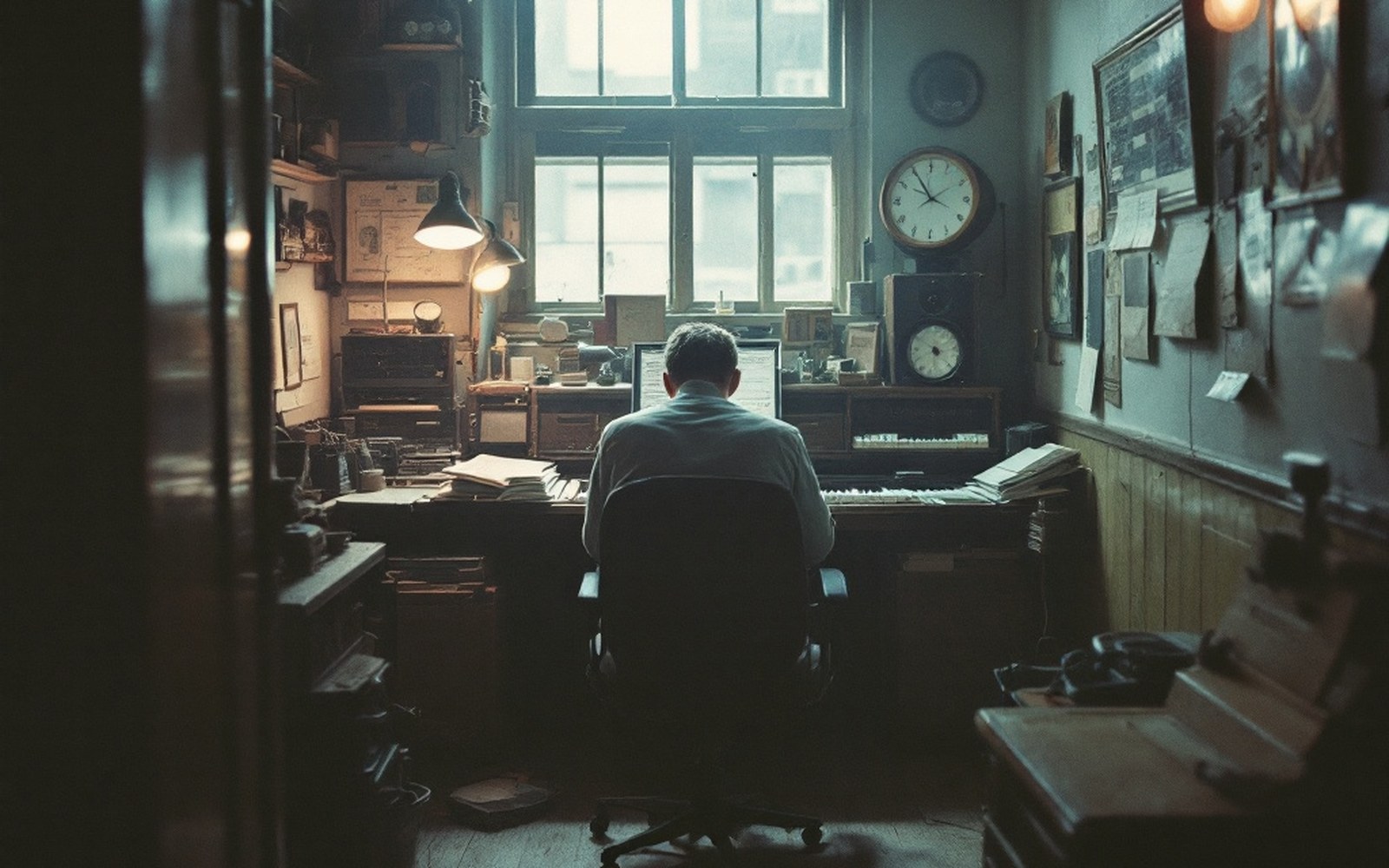
Gerry Goffin and Carole King wrote at 1650 Broadway in the manner of every other staff writing team on the floor: quickly, to a quota, demoing each song on whatever was available — usually piano, a rough vocal, and a portable recorder that caught the idea rather than the performance. The demo existed to sell the song to a producer or an A&R man, not to be played on the radio. Its tempo was the tempo of the room that afternoon; its key was wherever the writer's voice sat comfortably. Neither detail was intended to survive.
When "Will You Love Me Tomorrow ↗" reached Luther Dixon, it came in at a brighter, more upbeat tempo than the record the world eventually heard. The Shirelles themselves initially resisted the song — the material felt, to the group, more suited to a white pop act than to what they had been doing. That resistance is documented in the record's own history, and it matters, because it tells you something about how far Dixon had to travel to get from the demo to the master.
He slowed the song down, and in doing so he shifted its emotional register entirely.
What Dixon changed, and why it worked
Dixon's central intervention was tempo. He slowed the song down, and in doing so he shifted its emotional register entirely. A faster version of the lyric reads as a breezy romantic question; the slower version opens into genuine ambivalence — the kind that makes a listener stop. The strings he added were not decorative; they carried the weight the new tempo created and gave Shirley Owens's vocal something to move against rather than ride over.
The key change mattered too, though it is the less-discussed alteration. A demo is cut in the writer's key; a master is cut in the singer's key. Finding where Shirley Owens's voice would deliver the song at its most unguarded — not just comfortable, but exposed in exactly the right way — was part of what the session existed to discover. The Brill Building system ↗ was built on this division of labour: writers wrote, producers produced, and the distance between the two was where the hit was made.
The drum placement Dixon chose reinforced everything the tempo shift had started. Setting the snare where the lyric turns — where the question in the song becomes unanswerable rather than rhetorical — was an arrangement decision with a dramatic function. It told the listener's body where to feel the tension before the ear fully processed the words. On a 45 rpm single, where you have under three minutes and no second chance, that kind of precision is the difference between a record that gets played once and one that gets played back.
The distance the demo never closes
There is a version of the history of popular music in which the songwriter is the primary author and everything after is execution. The demo-to-master gap in this record argues otherwise. Goffin and King wrote something real; what Dixon and the Shirelles made of it in the studio is a different, and in practical terms more powerful, thing. The strings, the tempo, the key, the drum placement — none of those were in the room at 1650 Broadway when the demo was cut. All of them are on the record that reached number one in January 1961, the first number one by a Black girl group in the rock-and-roll era.
The demo is the argument. The master is the verdict.